

Insight15 February 2024
How to optimise your website for mobile SEO
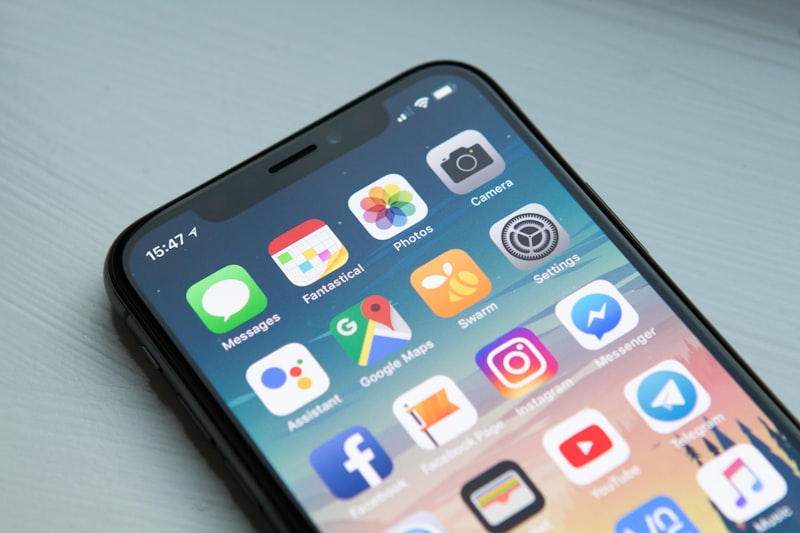
With the rise of smartphones and the prevalence of mobile browsing, tailoring your website for mobile SEO has become indispensable. Today, most internet users reach for their mobile devices as their first gateway to the web, underscoring the necessity of mobile optimisation as a key pillar in your SEO strategy.
1. Mobile-First Indexing: A fundamental shift in SEO: Importance: Google's move to mobile-first indexing represents a fundamental shift in the way search engines evaluate and rank websites. Mobile-first indexing means that Google will prioritise the mobile version of a website for indexing and ranking, underlining the need for mobile optimisation. Practical tips: - Make sure your mobile and desktop content is consistent. - Prioritise a mobile-friendly design to comply with Google's mobile-first indexing.
2. Responsive web design: Adapt to different screen sizes: Importance: responsive web design allows your website to seamlessly adapt to different screen sizes, providing an optimal viewing experience on all devices. Google recommends responsive design because it simplifies content management and ensures consistent information across different platforms. Practical tips: - Implement a responsive design that adapts to different screen sizes. - Test the responsiveness of your website with tools such as Google's Mobile-Friendly Test.
3. Optimise the page speed for mobile devices: a decisive ranking factor: Importance: Page speed has a huge impact on the user experience and is a crucial ranking factor for both mobile and desktop searches. Mobile users in particular expect pages to load quickly, and Google takes page speed into account when determining search rankings. Practical tips: - Compress images to reduce file size. - Minimise the response time of the server and use browser caching. - Identify and fix speed-related problems.
4. Mobile-friendly content: prioritise readability and interaction: Importance: mobile users consume content differently than desktop users. Priorities for mobile-friendly content include creating concise, easy-to-read text and optimising interactive elements for touchscreens. Practical tips: - Use legible font sizes to improve readability on smaller screens. - Ensure that clickable elements have adequate spacing to avoid accidental clicks. - Optimise multimedia content for fast loading on mobile devices.
5. Prioritise local SEO for mobile users: Benefit from local search queries: Importance: mobile users frequently perform local searches, so local SEO is crucial for businesses with physical locations. Optimising for local searches queries will improve your visibility in mobile search results, especially for users searching for products or services nearby. Practical tips: - Claim and optimise your Google My Business listing. - Include location-specific keywords in your content and meta tags.
6. Implement Accelerated Mobile Pages (AMP): Improve the speed: Importance: Accelerated Mobile Pages (AMP) is an open-source project designed to improve the speed of web pages on mobile devices. Implementing AMP can lead to faster loading times, improved user experience and potentially better search results. Practical tips: - Create AMP versions of your content, especially for articles and blog posts. - Monitor and maintain the performance of your AMP pages.
7. Optimise for voice search: embrace changing user behaviour: Importance: with the rise of voice-activated devices and digital assistants, optimising for voice search is becoming increasingly important. Voice searches often have a conversational tone, and understanding user intent is key to mobile SEO success. Practical tips: - Focus on natural language and long-tail keywords. - Answer user queries directly to adapt to voice search patterns.
8. Use mobile-friendly pop-ups: Balance usability and engagement: Importance: pop-ups can be effective for engagement, but intrusive pop-ups on mobile devices can have a negative impact on user experience. Google penalises websites with intrusive interstitials and emphasises the need for mobile-friendly pop-ups. Practical tips: - Use non-intrusive pop-ups that do not obscure the main content. - Make sure pop-ups are easy to remove on smaller screens.
9. Carry out mobile SEO audits: Continuous improvement for success: Importance: Regular mobile SEO audits help identify and fix issues that may be affecting your website's performance on mobile devices. Audits ensure that your website is compliant with evolving best practices and search engine algorithms. Practical tips: - Use tools like Google Search Console to monitor mobile usability issues. - Regularly check the mobile performance of your website and fix any issues immediately.
10. Monitor and adjust mobile user behaviour: User-centric optimisation: Importance: understanding how mobile users interact with your website is crucial for ongoing optimisation. Monitoring analytics and user behaviour will help you make informed decisions and adapt your strategy to the changing expectations of mobile users. Practical tips: - Analyse mobile-specific metrics in your analytics platform. - Use heatmaps and user recordings to understand how visitors interact with your mobile website.
Master mobile SEO for lasting success As mobile devices continue to dominate online access, mastering mobile SEO is essential for long-term success. By focusing on responsive design, optimising page speed, creating mobile-friendly content and adapting to changing user behaviour, you can ensure that your website not only meets but exceeds the expectations of mobile users. Remember that mobile optimisation is an ongoing process that requires constant adaptation to new technologies and user preferences. Stay on top of industry trends, regularly review your mobile SEO strategies and prioritise the mobile user experience to unlock the full potential of your website in the mobile-centric digital landscape.
Post navigation
Let's create an amazing campaign for you! Clicks HQ +44 (0)1480 226378 hello@clickshq.com
CONNECT WITH US - FACEBOOK - X - Instagram © 2026 Clicks Marketing Ltd
For more on this topic, read our guide to Core Web Vitals. You might also enjoy our article on SEO mistakes to avoid.
Get marketing insights delivered to your inbox
Practical tips on Google Ads, paid social, and advertising strategy. No spam, just useful stuff.